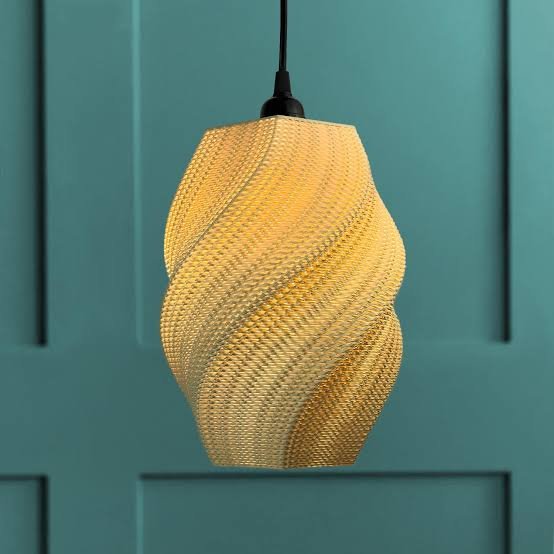
Far beyond brightening spaces, lighting design sculpts volumes, evokes emotions, and defines the sophistication of an environment.
Lighting is the most powerful—and often the most underestimated—element in interior architecture. A space may feature the finest materials and the most exclusive furniture, but without the correct study of light, the design becomes flat. Contemporary lighting does not merely serve to illuminate; it functions as the architecture of the invisible, shaping how we perceive volumes, textures, and colors.
The Psychological Impact of Light
Light has the immediate capacity to dictate the rhythm of an environment. Corporate settings or high-productivity areas require precision and clarity. Conversely, premium residential spaces demand a welcoming aura, where light acts as an invitation to relax. Modern luxury does not reside in an excess of fixtures, but in the absence of glare and the strategic use of shadows to create depth and intimacy.
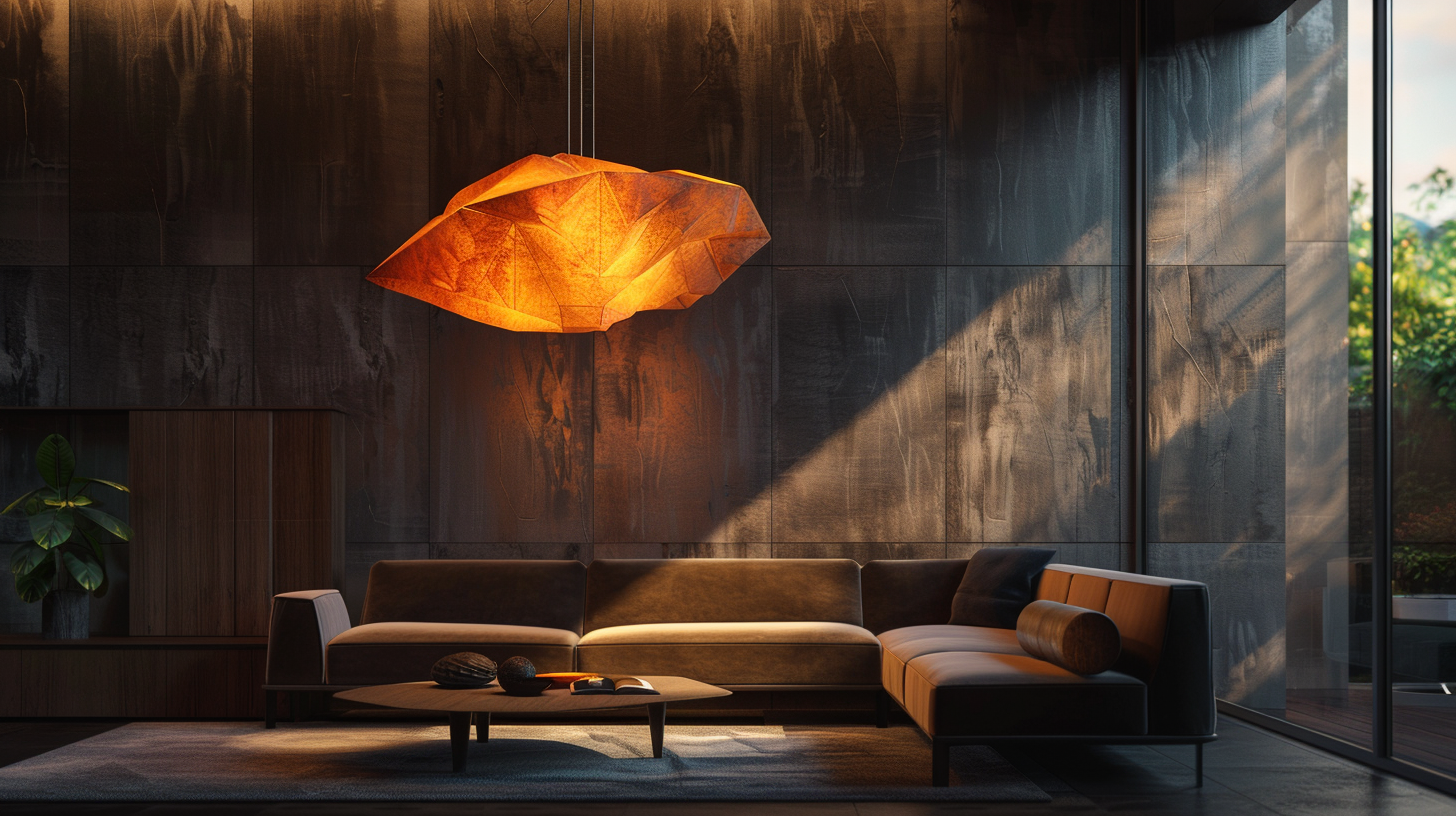
The Luminaire as a Work of Art
In avant-garde design, the light source is no longer just a utilitarian item hidden in the ceiling. Bespoke luminaires have assumed the role of dynamic sculptures. They transform the space twice: during the day, through their geometric presence and dialogue with the furniture; and at night, by projecting beams and nuances that completely redefine the atmosphere of the location.