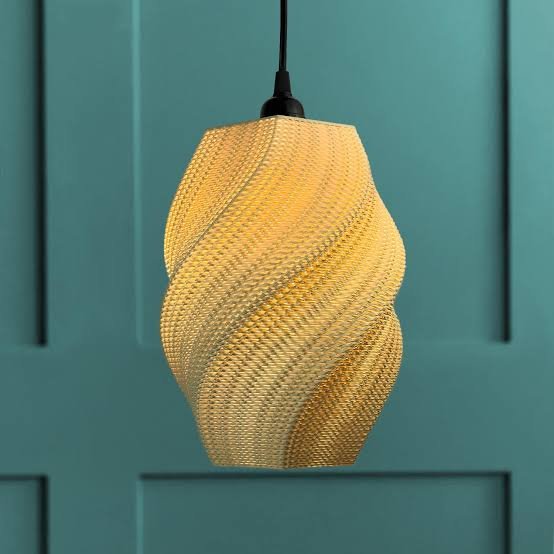
The end of technical barriers: understand how advanced 3D technology liberated the geometry of high-end lighting fixtures.
For decades, lighting design was severely limited by traditional manufacturing methods. Expensive injection molds and mechanical lathe cutting imposed straight lines, perfect spheres, or predictable curves. Any attempt to create fluid surfaces or complex organic textures made the project financially unfeasible or impossible to execute through traditional engineering. Additive manufacturing has changed this landscape definitively.
Breaking Geometric Constraints
Engineering combined with high-precision 3D printing allows designers and architects to explore parametric design—forms generated through mathematical algorithms that mimic nature. Complex layered structures, sinuous curves that defy gravity, and textured light diffusions now move directly from computer screens into physical reality.
Sustainability and Industrial Efficiency
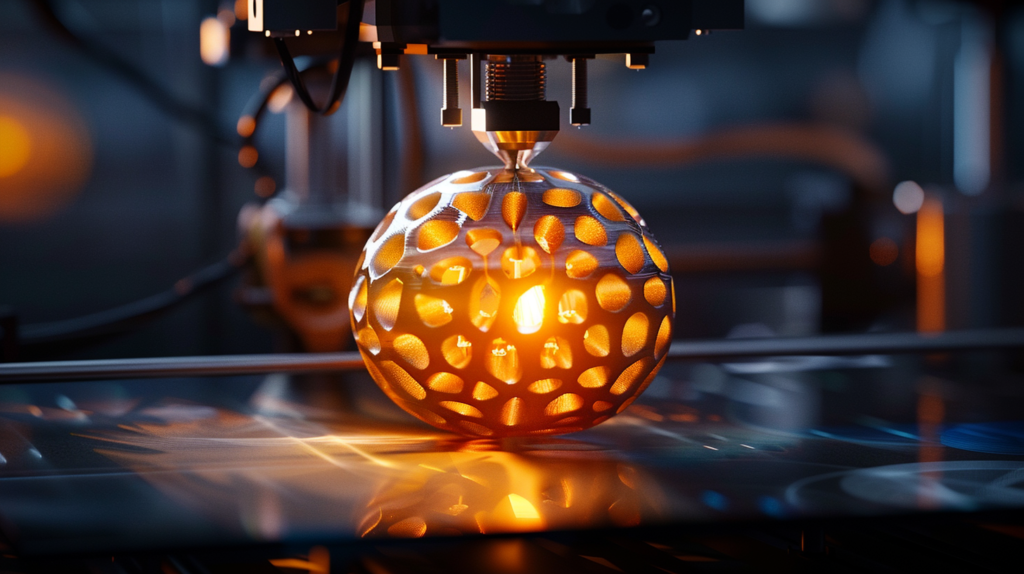
Beyond aesthetic freedom, 3D technology has brought a new standard of consumption to the high-end decorative market. Instead of massive supply chains with giant inventories and raw material waste, additive production works on demand. Each piece is manufactured individually, using high-performance polymers with zero material waste. This is high technology operating in favor of exclusivity and environmental respect.